Featured projects.
Indonesia Biosecurity Support Project
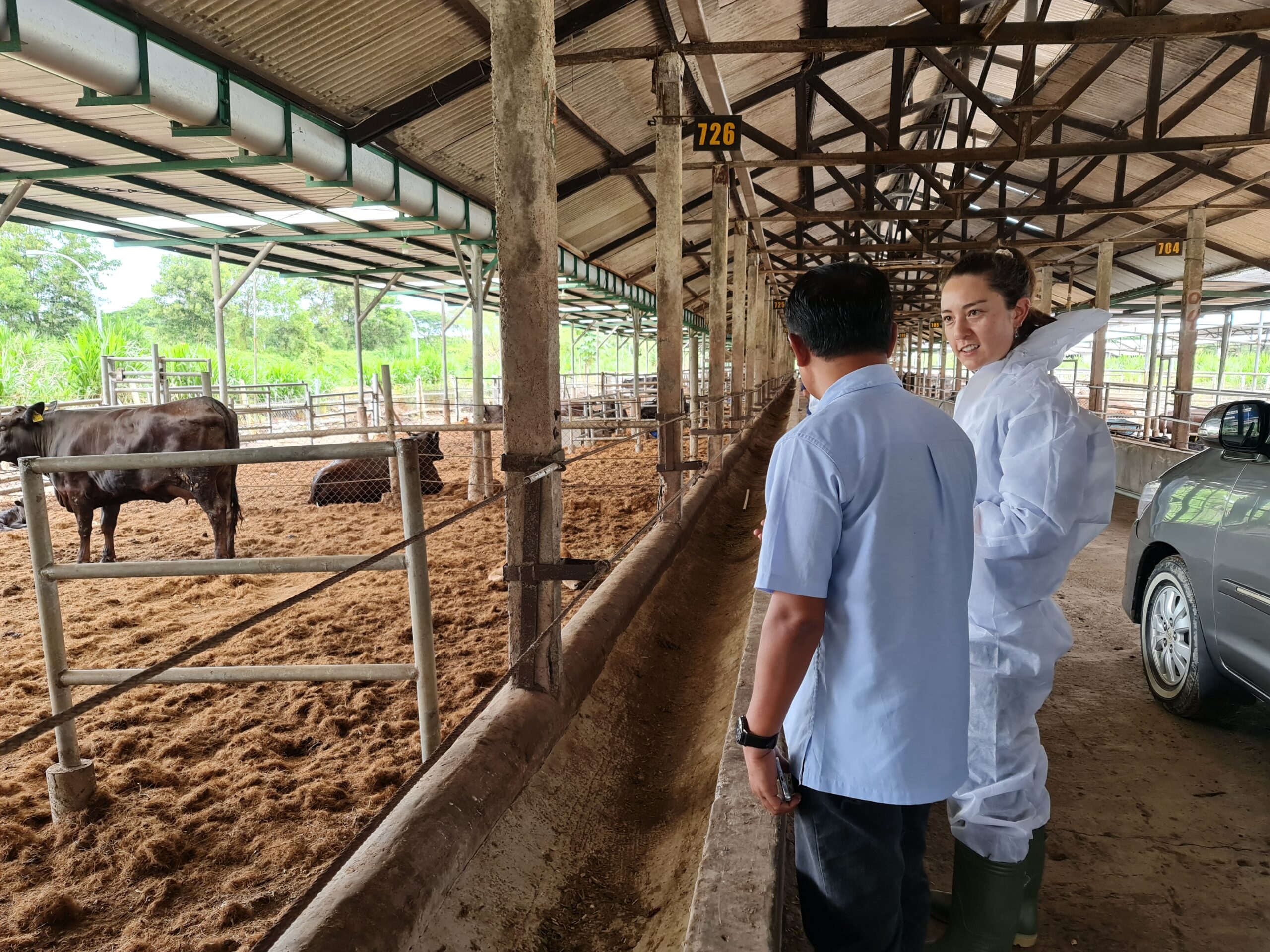
Between 2022 and 2025, with the support of Meat & Livestock Australia and the Australian Government’s Department of Agriculture, Fisheries and Forestry, Ausvet provided critical biosecurity support to the Indonesian feedlot industry. Our team visited over 35 feedlots, abattoirs, breeding centres and dairies and made over 200 tailored, cost-effective and evidence-based recommendations. Site visits were complimented with workshops, webinars and high quality technical material in English and Bahasa Indonesia.
In feedlots and abattoirs, over 70% of recommendations were implemented within 12 months, contributing to industry wide improvements in biosecurity.
Health, welfare and biosecurity of livestock exposed to Australian bushfires
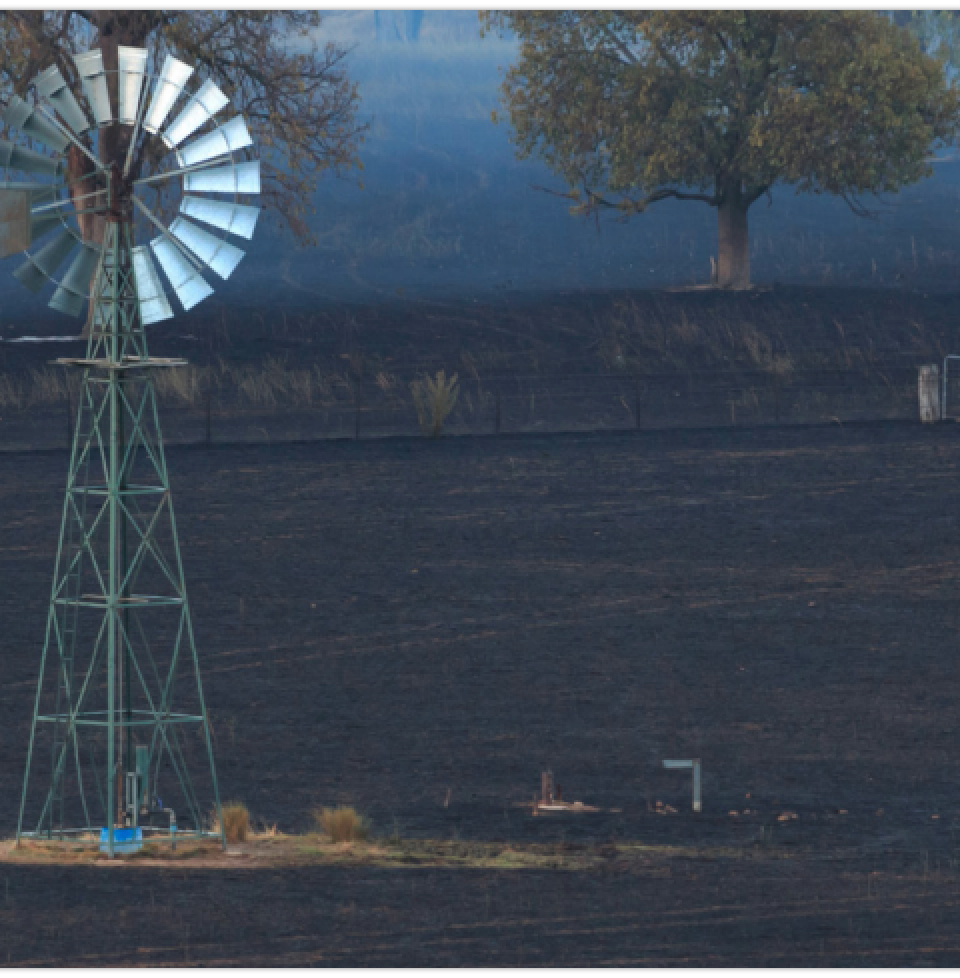
Following the 2019-2020 ‘Black Summer’ bushfires, red meat producers faced severe livestock losses and complex recovery challenges. There is little systematic research globally on the sub-clinical, biosecurity, and economic impacts of severe bushfires on livestock.
To address this Ausvet collaborated with Meat & Livestock Australia, the University of Sydney, and the University of Melbourne to conduct epidemiological studies across south-eastern Australia. Using case-control research, expert panels, and big-data analyses, they found that fire exposure temporarily degrades carcass and meat quality while identifying vital protective practices. These findings formed an evidence-based manual to improve future producer preparedness and recovery
Lumpy Skin Disease quantitative risk assessment
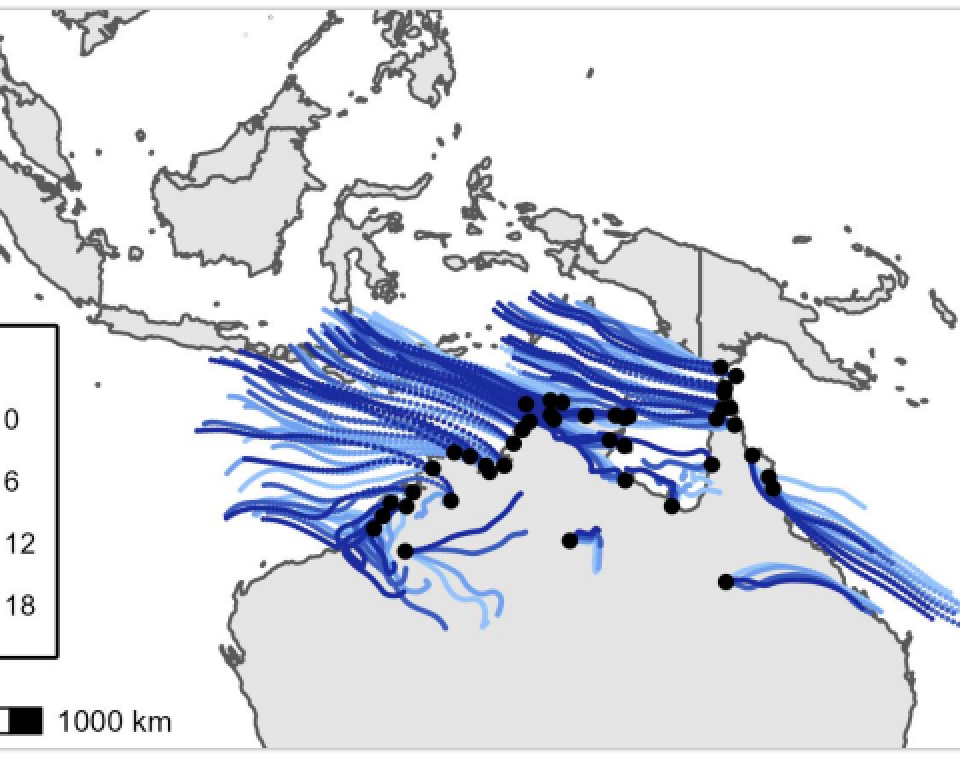
To safeguard Australia’s livestock trade from Lumpy Skin Disease Virus (LSDV), Ausvet conducted a Quantitative Risk Assessment for Australian Government’s Department of Agriculture, Fisheries and Forestry. Using scenario trees and atmospheric dispersion modelling, the study evaluated non-regulated pathways for the entry of LSDV into Australia including windborne vectors and commercial shipping. Assuming LSDV requires multiple insect bites to transmit, overall incursion risks were determined to be lower than previously thought.
Passive surveillance for H5 bird flu in the Pacific
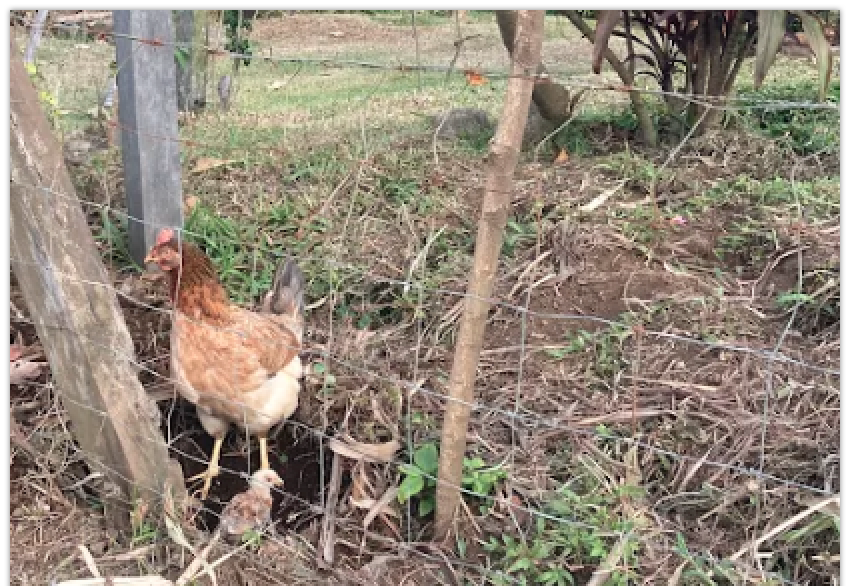
In recent years, H5 bird flu has spread to nearly every region on earth; the South Pacific still remains free from H5. Ausvet is currently working with the Pacific Community (SPC) to improve passive surveillance in the region so that the virus can be detected as early as possible if it does arrive. Using Vanuatu and Fiji as case studies, Ausvet is investigating barriers to passive surveillance and designing a passive surveillance framework for use across the region.